D2R vs Diablo 4 — Which Should You Play in 2026?
By the DiabloBytes team · 10 min read
This question comes up every week, and the answer is never simple. Diablo II: Resurrected and Diablo 4 share a name and a universe, but they are fundamentally different games designed for different eras and different players. One is a meticulously preserved classic with modern additions. The other is a live-service ARPG built for a contemporary audience. Comparing them is like comparing a hand-forged chef's knife to a high-end food processor — both prepare food, but the experience of using them is nothing alike.
We've played hundreds of hours of both in 2026. Here's an honest, category-by-category breakdown — with a winner declared in each — followed by our recommendation for who should play which.
Gameplay Feel
D2R
Snappy and precise but visually dated. Click-to-move with keyboard hotkeys. Teleport and movement skills feel responsive. Combat has weight — when you hit something, it feels like it matters. But the animations are 2001 animations with a 2021 coat of paint.
Diablo 4
Best-in-class ARPG combat. Every skill has fluid animations, satisfying impact, and spectacular visual effects. Controller support is native and excellent. Dodge rolling, mounting, and traversal mechanics add a layer of movement strategy that D2R simply does not have.
Winner: D4
Itemization
D2R
The gold standard. Every item slot matters. Runewords create deterministic power spikes. Unique items have memorable identities — Shako, Enigma, Infinity. Finding a high rune after 200 hours feels life-changing because it functionally is. Items define your build, not the other way around.
Diablo 4
Improved significantly since launch with the itemization rework, but still fundamentally a stat-stick system. Items increase numbers rather than change gameplay. Legendary aspects are interesting but feel interchangeable. The crafting system adds depth, but nothing matches the moment of identifying a perfect rare in D2R.
Winner: D2R
Endgame
D2R
Farming specific bosses and areas for drops. Uber Tristram and Colossal Ancients provide pinnacle challenges. Ladder racing adds competitive structure. The endgame is repetitive by design — the loop is run, kill, loot, repeat. It works because the loot is worth chasing, but variety is limited.
Diablo 4
Significantly more structured. Nightmare Dungeons, Helltides, the Pit, seasonal mechanics, and world bosses provide varied endgame activities. The content treadmill is real — Blizzard adds new endgame systems regularly. More variety, but less permanence. You chase power, not specific items.
Winner: D4
Build Diversity
D2R
Eight classes with distinct identities. Builds are constrained by permanent skill points and stat allocation, which makes each choice feel meaningful. The Warlock added genuine new mechanics rather than reskinned abilities. Runewords and item synergies create emergent build possibilities that the developers never explicitly designed.
Diablo 4
Five classes with flexible respec. Every class has multiple viable builds, and the Paragon Board adds deep customization. But the ease of respeccing means builds feel less like commitments and more like loadouts. Class identity is strong aesthetically but weaker mechanically — many builds across different classes play similarly.
Winner: D2R
Graphics & Presentation
D2R
The remaster is gorgeous for what it is. The 3D character models and environments faithfully recreate the original art direction at modern resolutions. The legacy toggle is a brilliant touch. But it is still a remaster — the world geometry, animation skeletons, and environmental interactions are fundamentally limited by 2001 design.
Diablo 4
One of the best-looking games in the genre. The open world is atmospheric and detailed. Cutscenes are cinematic quality. Real-time lighting, weather effects, and environmental destruction create a world that feels alive. The art direction leans darker and more grounded than D2R — closer to Diablo 1 in tone.
Winner: D4
Community & Multiplayer
D2R
Active trading community, competitive ladder racing, and a passionate Discord/forum presence. The lobby system finally works. Multiplayer is drop-in co-op with up to 8 players. The community is smaller but intensely dedicated — average playtime per player is extremely high.
Diablo 4
Larger player base with a more casual-friendly social experience. The open world creates organic multiplayer encounters. Clan systems, PvP zones, and seasonal events provide social hooks. But the community is broader and less deep — fewer players engage with theorycrafting or trading at the level D2R players do.
Winner: Tie
Monetization
D2R
Buy the game, own the game. The Infernal Edition ($39.99) includes everything — base game, Lord of Destruction, Reign of the Warlock, and some cosmetics. No battle pass. No cash shop. No seasonal premium currency. No FOMO mechanics. The entire game is yours for a single purchase.
Diablo 4
Full-price game with a cash shop, battle passes, and seasonal premium content. Cosmetics only — no pay-to-win — but the drip of paid content is constant. Expansion packs are sold separately. The total cost of "keeping up" with D4 across a year easily exceeds $100.
Winner: D2R
Value
D2R
Hundreds of hours of content for $39.99. Ladder seasons provide replayability. The build diversity across eight classes means multiple playthroughs feel distinct. No ongoing costs. The game has been actively played for 25 years — if that is not proof of value, nothing is.
Diablo 4
Strong initial value — the campaign alone justifies the base price. But ongoing costs (expansions, battle passes) add up. Seasonal resets provide structure, but the gear treadmill means previous progress often feels invalidated. Good value if you play one season; expensive if you play year-round.
Winner: D2R
The Scorecard
By our count: D2R wins four categories (Itemization, Build Diversity, Monetization, Value), Diablo 4 wins three (Gameplay Feel, Endgame, Graphics), and Community is a tie. But raw category counts don't tell the whole story. The categories that matter most depend entirely on what you value in a game.
If you prioritize how a game feels moment-to-moment — the smoothness of combat, the spectacle of abilities, the visual richness of the world — Diablo 4 is the better game. If you prioritize what a game means long-term — the weight of your choices, the value of your drops, the cost of your mistakes — D2R is the better game. Neither answer is wrong.
Who Should Play D2R
- ▸ You care deeply about itemization and want drops to feel meaningful
- ▸ You prefer permanent character choices over infinitely flexible loadouts
- ▸ You dislike cash shops, battle passes, and ongoing monetization
- ▸ You enjoy theorycrafting within constraints rather than with unlimited respecs
- ▸ You want a complete game for a single purchase price
- ▸ You played the original Diablo II and want to experience it at its best
Who Should Play Diablo 4
- ▸ You want the best-feeling ARPG combat on the market
- ▸ You prefer a variety of endgame activities over focused farming
- ▸ You enjoy an open world with organic multiplayer encounters
- ▸ You want frequent new content, seasonal mechanics, and live events
- ▸ You value visual spectacle and modern production values
- ▸ You prefer controller gameplay or play primarily on console
Final Verdict
Play both. Seriously. They complement each other remarkably well. D2R is the game you play when you want depth, stakes, and the satisfaction of earning every inch of progress. Diablo 4 is the game you play when you want spectacle, variety, and a polished modern experience. They scratch different itches, and switching between them keeps both feeling fresh.
If you can only choose one? For pure hours-per-dollar value and long-term staying power, D2R edges ahead. The Reign of the Warlock expansion, native loot filters, and the Steam release have made it the most complete and accessible version of one of gaming's greatest achievements. No battle pass expiration dates. No FOMO. Just a game that has been captivating people for 25 years and shows no signs of stopping.
But if Diablo 4's combat clicks with you — and it will for many people — don't fight it. Both games deserve your time. The Diablo franchise is big enough for two excellent, fundamentally different entries to coexist.
Choosing D2R?
Start with a loot filter. It's the single biggest quality-of-life improvement you can make on day one.
D2R Loot Filter Configurator →Quick Comparison
- D2R Strengths Items, builds, value
- D4 Strengths Combat, visuals, endgame
- Best For Casual Diablo 4
- Best For Hardcore D2R
⚔️ Get More Loot with Better Gear
Upgrade your D2R setup. Buying through these links supports DiabloBytes at no extra cost to you.
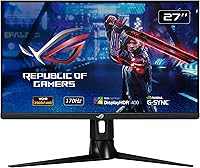
ASUS ROG Strix XG27AQ 27"
1440p 170Hz IPS with HDR. Perfect balance of speed, color, and price for D2R.
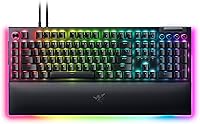
Razer BlackWidow V4 Pro
Command dial + macro keys. Premium mechanical for serious ARPG sessions.

CyberPowerPC Gamer Xtreme VR
i5-13400F + RTX 5060. #1 best-selling budget gaming PC. 537 reviews, 4.7 stars.
As an Amazon Associate, DiabloBytes earns from qualifying purchases.