⚙️ Diablo 1 Game Mechanics
The math behind every hit, miss, and spell in Diablo 1. Source: Jarulf's Guide
Diablo I looks like an action game but runs on a hidden turn-based engine. Every action — attacking, walking, casting — takes a fixed number of "frames" (game ticks). The game runs at ~20 frames per second. This is why attack speed and hit recovery are measured in frames, not milliseconds.
To Hit (Chance to Hit)
Unlike D2 where high-level characters almost always hit, D1's to-hit formula means you can miss frequently even at max level. The formula for Player vs Monster melee:
Clamped between 5% minimum and 95% maximum. You can never guarantee a hit or miss.
- Dexterity adds half its value to hit chance
- Character level adds directly — higher level = more accurate
- Monster AC subtracts — armored monsters are harder to hit
- Items with "+% To Hit" are extremely valuable in D1
For Monster vs Player, the formula is different: 30 + ToHitmonster - ACplayer/5 - 2·clvl. Your AC is divided by 5, making it far less effective than you'd expect. This is why even high-AC Warriors get hit often in Hell.
Armor Class
AC in D1 reduces the enemy's chance to hit you, but it's divided by 5 in the monster-vs-player formula. So 100 AC only gives -20 to the monster's hit chance. AC is useful but not the god stat it seems.
Dexterity contributes directly to AC. For Rogues this is huge — pumping Dex increases both damage AND defense.
Melee Damage
Melee damage depends on Strength and character level:
Key points:
- Strength × Level multiplies weapon damage — both stats matter enormously
- "+% Damage" items (like "King's" prefix) multiply the final result — stacking these is how Warriors reach insane damage
- Bow damage uses Dexterity instead of Strength in the formula
- Critical hits deal double damage — character level determines crit chance
Blocking
If you have a shield equipped and aren't casting a spell, you have a chance to block incoming melee attacks:
Monster level reduces block chance significantly. In Hell difficulty, blocking becomes much less reliable against high-level monsters. Blocking does NOT work against spells or ranged attacks — only melee.
Spell Damage Scaling
This is D1's most unique mechanic. In D2, Fire Ball always does the same damage at the same skill level regardless of stats. In D1, spell damage scales with both spell level AND the Magic stat. A Sorcerer with 250 Magic does dramatically more damage than one with 100.
Each spell has its own formula. Examples:
| Spell | Damage Formula |
|---|---|
| Fire Bolt | Rnd(1, 10) + slvl + Mag/8 |
| Fire Ball | Rnd(1, 10) + slvl·2 + Mag/2 |
| Chain Lightning | Rnd(1, 1) + slvl + Mag/4 |
| Fire Wall | (2·slvl + 4·Mag/8) per frame (DoT) |
| Holy Bolt | Rnd(slvl, slvl·2) + Mag/4 (undead only) |
| Guardian | Fire Bolt damage × number of bolts |
| Stone Curse | No damage — petrifies target |
slvl = spell level, Mag = Magic stat. Formulas are simplified — see Jarulf's Guide Chapter 4 for exact calculations.
Resistances
D1 has three resistance types: Fire, Lightning, and Magic. Each caps at 75% damage reduction. There is no Cold or Poison resistance.
- Difficulty penalty: Normal = 0, Nightmare = -20%, Hell = -40% to all resists
- This means in Hell, you need 115% resist from gear to cap at 75%
- "Obsidian" prefix (+20-40% resist all) is the most valuable prefix for this reason
- Monsters can be immune to damage types (resistance = 100%). Unlike D2, you cannot break immunities
Attack Speed
Each weapon type has a base speed measured in frames. The game runs at ~20 FPS. Faster weapons attack more frequently:
| Weapon Class | Warrior | Rogue | Sorcerer |
|---|---|---|---|
| Sword (fastest) | 15 frames | 20 frames | 24 frames |
| Mace | 16 frames | 20 frames | 24 frames |
| Axe | 20 frames | 22 frames | 28 frames |
| Staff | 16 frames | 16 frames | 16 frames |
| Bow | 20 frames | 18 frames | 24 frames |
The "of Haste" suffix and unique item speed bonuses reduce frames by a fixed amount. Warriors swing swords the fastest — that's why King's Sword of Haste is the endgame weapon.
Item Generation
When a monster drops an item, the game rolls in order:
- Item type — based on monster type and dungeon level
- Quality — normal, magic, or unique (based on mlvl and qlvl)
- Prefix/Suffix — random from eligible pool based on qlvl
ilvl = mlvl (item level equals monster level). Higher dungeon floors = higher mlvl = access to better prefixes, suffixes, and uniques. This is why farming Hell floors 15-16 yields the best loot.
Key Differences from D2
| Mechanic | Diablo I | Diablo II |
|---|---|---|
| Spell damage | Scales with Magic stat + spell level | Fixed per skill level |
| Missing attacks | Common even at max level (5-95% range) | Rare at high level (AR formula) |
| Armor Class | Divided by 5 vs monsters — weak | Full value in defense formula |
| Potions | Heal over time (not instant) | Instant healing |
| Resistances | Fire, Lightning, Magic only | Fire, Cold, Lightning, Poison, Magic |
| Mana Shield | Redirects ALL damage to mana | Absorbs 2 mana per 1 damage |
| Skill system | Spell books found as loot | Skill points on level up |
| Town access | Town Portal only (no waypoints) | Waypoints throughout acts |
| Item identification | Cain or scrolls (costs gold) | Free from Cain after a quest |
| Inventory | Shared stash doesn't exist | Shared stash (D2R) |
⚔️ Get More Loot with Better Gear
Upgrade your D2R setup. Buying through these links supports DiabloBytes at no extra cost to you.

Xbox Wireless Controller (2025)
D2R has full controller support. Kick back on the couch for casual farming runs.
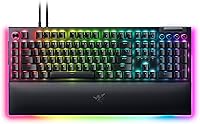
Razer BlackWidow V4 Pro
Command dial + macro keys. Premium mechanical for serious ARPG sessions.
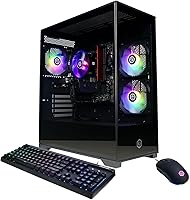
CyberPowerPC Gamer Xtreme VR
i7-13700F + RTX 4060 Ti 16GB + DDR5. 820 Amazon reviews, 4.6 stars.
As an Amazon Associate, DiabloBytes earns from qualifying purchases.